
Multi-agent systems
One model researches. Another checks the source. A third may prepare the next action. We design the handoffs so a fluent first answer cannot quietly become the final decision.
- 01Frame the task
- 02Research in parallel
- 03Check the evidence
- 04Approve the action
Use more than one agent when the job earns it
A second model has a cost. It earns that cost when the work crosses sources, tools or decisions that are expensive to reverse.
Research with a publish gate
One pass gathers candidates. A separate pass opens the cited sources and checks the proposed facts before anything reaches a page or report.
Work across several tools
An agent can collect context from approved systems, pass a structured result to a checking step and prepare the next action for a person.
Reviews that need another reader
Use independent models for a costly architecture, security or data decision, then surface disagreement rather than blending it into one answer.
Give each step a job
Define the handoffs
We specify what each step receives, what it may call and what it must return. A named role is useful only when it changes the work.
Keep disagreement visible
When two readers conflict, the system preserves both claims and the source behind each. The case moves to review with the question still intact.
Evaluate the whole chain
We test the finished decision, the intermediate evidence, latency and cost. A strong final sentence does not excuse a broken check in the middle.
The checking parts already run in our products.
Defense.Direct separates proposed company facts from fetched citations. CloudHosting uses another model to review changes before they ship. Those are narrower systems than a general multi-agent platform, and they show why each handoff needs its own evidence.
See the products Read our model-review guide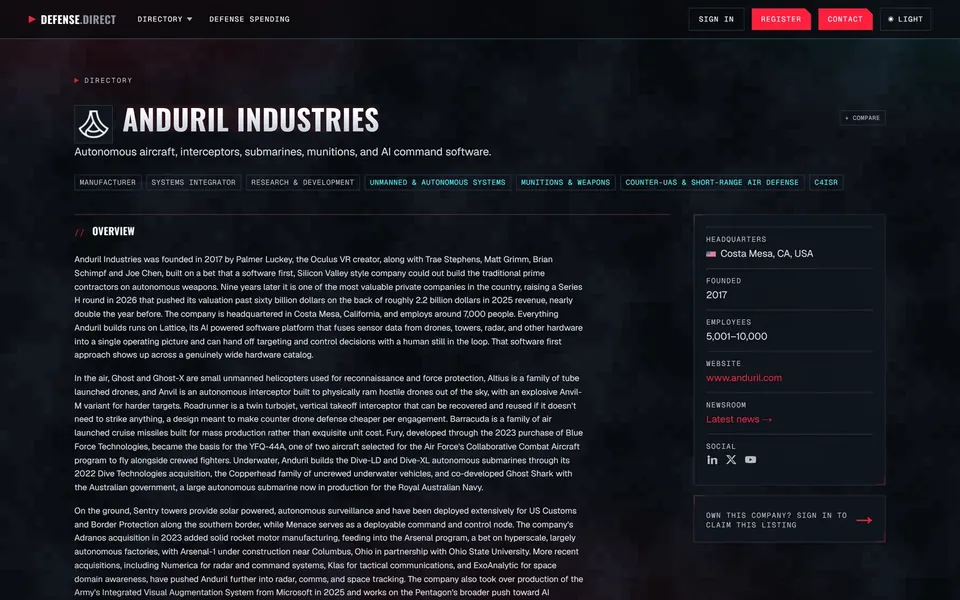
What stays in your hands
We decide the handoffs before the first run, then make them visible in the product.
Approval before action
Publishing, messaging and changing records stop at the approval point you choose. A model cannot grant itself a wider tool boundary.
A trace for every decision
Sources, tool calls, conflicting outputs and the final human decision remain available to inspect after the run.
A reason for every extra call
We compare the added accuracy with added latency and cost. A single well-checked step may be the better system.
Where does one model run out of road?
Tell us the task, the sources it has to cross and the decision you need to trust. Expect us to argue for fewer steps.
Your message goes to the team for review.