
AI verification before a claim ships
A plausible claim can travel a long way before anyone checks it. We put a source and a decision gate between the model's proposal and the fact your customer eventually sees.
- 01Propose a fact
- 02Fetch the source
- 03Compare the claim
- 04Publish or review
Useful wherever a wrong fact travels
The checking effort should match what happens when the answer is wrong. These are the outputs that deserve a gate.
Company and product profiles
Check names, specifications, certifications and relationships against a source that a reviewer can open.
Research briefs
Keep the quote, date and URL beside each finding, then flag the points where two sources tell different stories.
Customer-facing answers
Put policy, pricing or availability claims through the current record and hand uncertain answers to a person.
A citation is the start of a check
Open what was cited
The system fetches the cited page or document. A neat-looking URL in a model response is not evidence until the source exists.
Compare the actual passage
We test whether the source supports the exact claim, including the number, date and named entity. Related text is not enough.
Keep a rejection path
Unsupported or contradictory claims stay out of the final record. Reviewers see what failed and can correct the source or the claim.
Defense.Direct makes the check explicit.
Its company research is machine-assisted. A searching model proposes a company fact, and a fetched citation decides whether it reaches the supplier profile. That separation is the working pattern behind this service.
See Defense.Direct in our work Explore multi-agent checks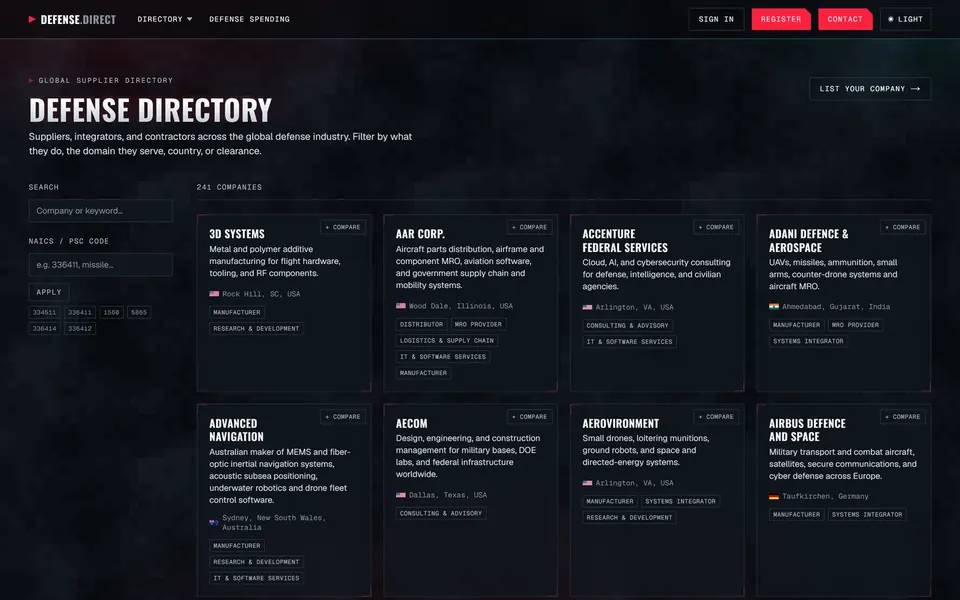
What stays in your hands
We decide the handoffs before the first run, then make them visible in the product.
Unsupported means unpublished
A missing source produces a missing answer, not a more polished sentence. The reviewer can see the failed candidate.
Freshness matters
We record source dates and decide when a fact needs to be checked again. A cached claim cannot silently outlive its source.
People own the final rule
You decide which claims require a person, how exceptions move and what the system may publish automatically.
Which claims make you nervous?
Show us the output, the source it should rely on and the cost of getting it wrong. We will design the check around that risk.
Your message goes to the team for review.